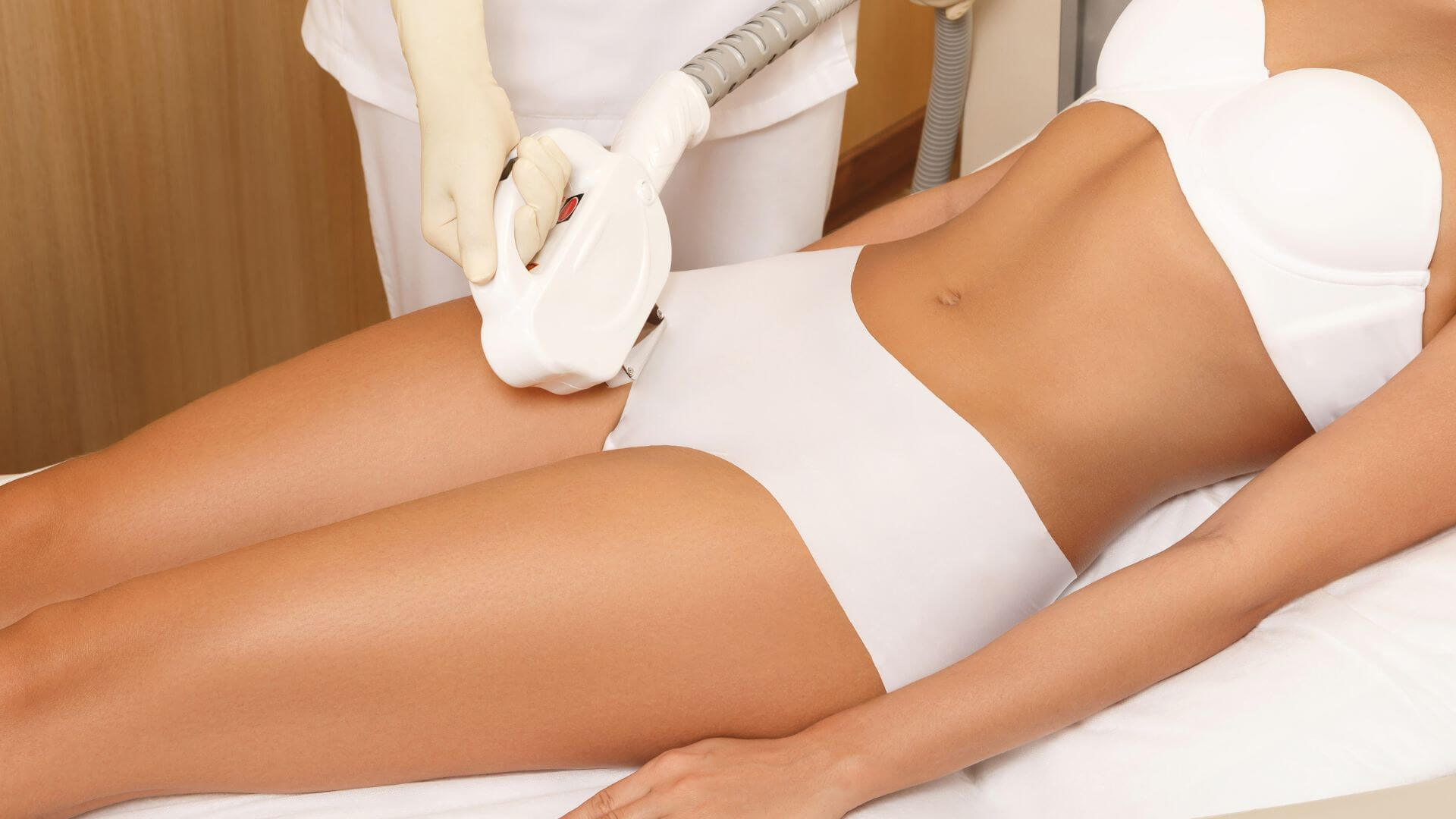
Laser hair removal offers a long-term solution for unwanted hair by using concentrated beams of light to target and destroy hair follicles. The process begins with a consultation to assess skin type and hair color, which helps determine the best laser settings. On the treatment day, the area is cleansed, protective eyewear is provided, and a cooling gel may be applied for comfort.
The laser emits light absorbed by the hair pigment, generating heat that damages the follicle and inhibits growth, creating sensations similar to a slight pinch. Treatment duration can range from a few minutes to an hour, with mild redness possible afterward, but it typically fades quickly. Multiple sessions are usually necessary for optimal results, as hair grows in cycles, resulting in finer and lighter hair with reduced growth over time.
Understanding Hair Follicles

Hair follicles play a crucial role in laser hair removal treatments, as they are the primary targets of the light energy used in the process. Each hair follicle is responsible for the growth and maintenance of an individual hair strand. Laser hair removal treatment works by directing concentrated light toward these follicles, specifically targeting the pigment in dark hair. For individuals with light skin and dark hair, the contrast allows the laser light to heat the follicles effectively, leading to a reduction in hair growth.
How Laser Treatment Affects Hair Follicles
During a laser hair removal session, the laser light penetrates the skin to reach the hair follicle. The light energy is absorbed by the pigment (melanin), which then converts to heat, ultimately damaging the follicle and inhibiting future hair growth. This process is effective for reducing unwanted hair on various body parts such as the upper lip, bikini line, and other areas prone to unwanted body hair. Multiple sessions of laser treatments are often required for visible hair reduction, as hair grows in cycles and the treatment must address follicles in the active growth phase.
Differences in Hair Removal Methods
Unlike other hair removal methods that remove hair superficially, such as shaving or depilatory creams, laser hair removal services offer more enduring results by impacting the follicle itself. However, it is important to consider skin tone and hair color before undergoing treatment. Darker skin types may require specific laser hair removal devices or IPL treatment designed for safety with darker skin. Conversely, individuals with lighter skin tones and dark brown hair often experience the most significant hair reduction outcomes.
Considerations for Treatment Areas
For sensitive areas prone to facial hair or ingrown hairs, laser hair removal can provide smoother skin compared to traditional methods. Although there may be temporary discomfort during the procedure, typically described as a rubber band snapping against the skin, this sensation is manageable. Before laser treatments, clients are advised to avoid sun exposure or the use of tanning beds to prevent skin irritation. While this method is efficient for removing dark hair, it is less effective on gray hair due to the lack of pigment.
Maintaining Results and Managing Hair Regrowth
Post-treatment, it’s critical to manage expectations regarding hair regrowth. Treated hair becomes finer and lighter over time, contributing to successful hair reduction. Individuals with light skin and dark hair are likely to observe the benefits quickly. However, follow-up sessions may be needed to maintain results, especially in areas with rapid hair growth. People on blood-thinning medications or with sensitive skin should consult with a dermatologist to assess compatibility with laser treatments.
Overall, laser hair removal offers a reliable solution for achieving smooth skin for individuals frustrated with traditional hair removal methods. Proper understanding of hair follicle dynamics and treatment personalization according to skin and hair type will enhance both safety and efficacy during laser hair removal sessions.
Preparing for Your Laser Hair Removal Consultation and Assessment
Understanding the Consultation Process
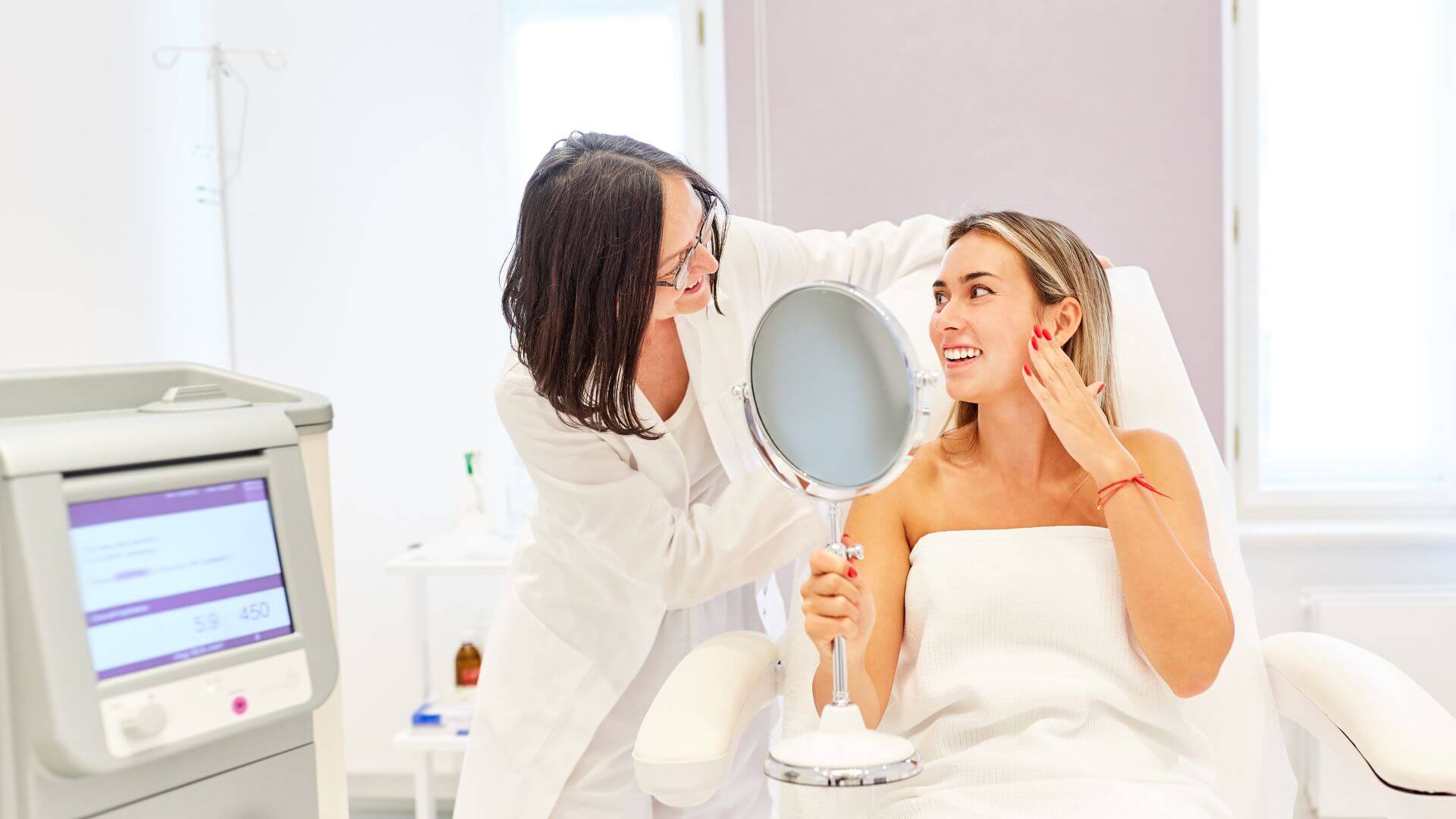
Before beginning any laser hair removal treatments, it’s vital to have a thorough consultation and assessment. This session is designed to understand your unique skin tone, hair color, and overall hair removal goals. During the consultation, a certified technician or plastic surgeon will evaluate your hair follicle condition and discuss which areas you want to treat, such as facial hair, the bikini line, or other body hair. The expert will explain how laser technology and laser hair removal services work, ensuring you have a clear idea of the process and what to expect.
Evaluating Skin Tone and Hair Type
Hair reduction success relies heavily on skin tone and hair color. Dark skin requires specific types of laser removal lasers or IPL treatments to safely remove unwanted hair without damaging the skin. Conversely, lighter skin tones benefit significantly when removing darker hair colors, as the contrast allows the laser beam to target the hair follicle more effectively. For those with lighter hair colors, other hair removal methods may be discussed during the assessment, as laser hair removal is less effective due to the reduced melanin in the hair.
Preparing the Treatment Areas
Prepping the treatment area is crucial for a successful hair removal session. It’s important to avoid sun exposure and tanning beds to reduce the risk of skin irritation. Shaving cream or a razor may be used shortly before the session to remove hair at the surface, minimizing the potential for a rubber band snap sensation when the laser targets the follicle. Ensuring the skin is clean and free of lotions also helps optimize the laser hair removal treatment.
Health Considerations and Aftercare
Certain health conditions and medications, such as those affecting blood clotting or skin sensitivity, need to be communicated to your specialist during the consultation. Pregnant women may also need to avoid laser hair removal. After the session, it is important to understand the aftercare process to maintain results and manage any mid-discomfort experienced. Follow-up sessions, usually only taking a few minutes, are often necessary for significant reduction and to consistently remove unwanted hair, achieving smoother skin without the common pitfalls of razor burn associated with shaving or other temporary methods.
How Skin Type and Hair Color Affect Laser Hair Removal Effectiveness
Understanding the Role of Skin Type
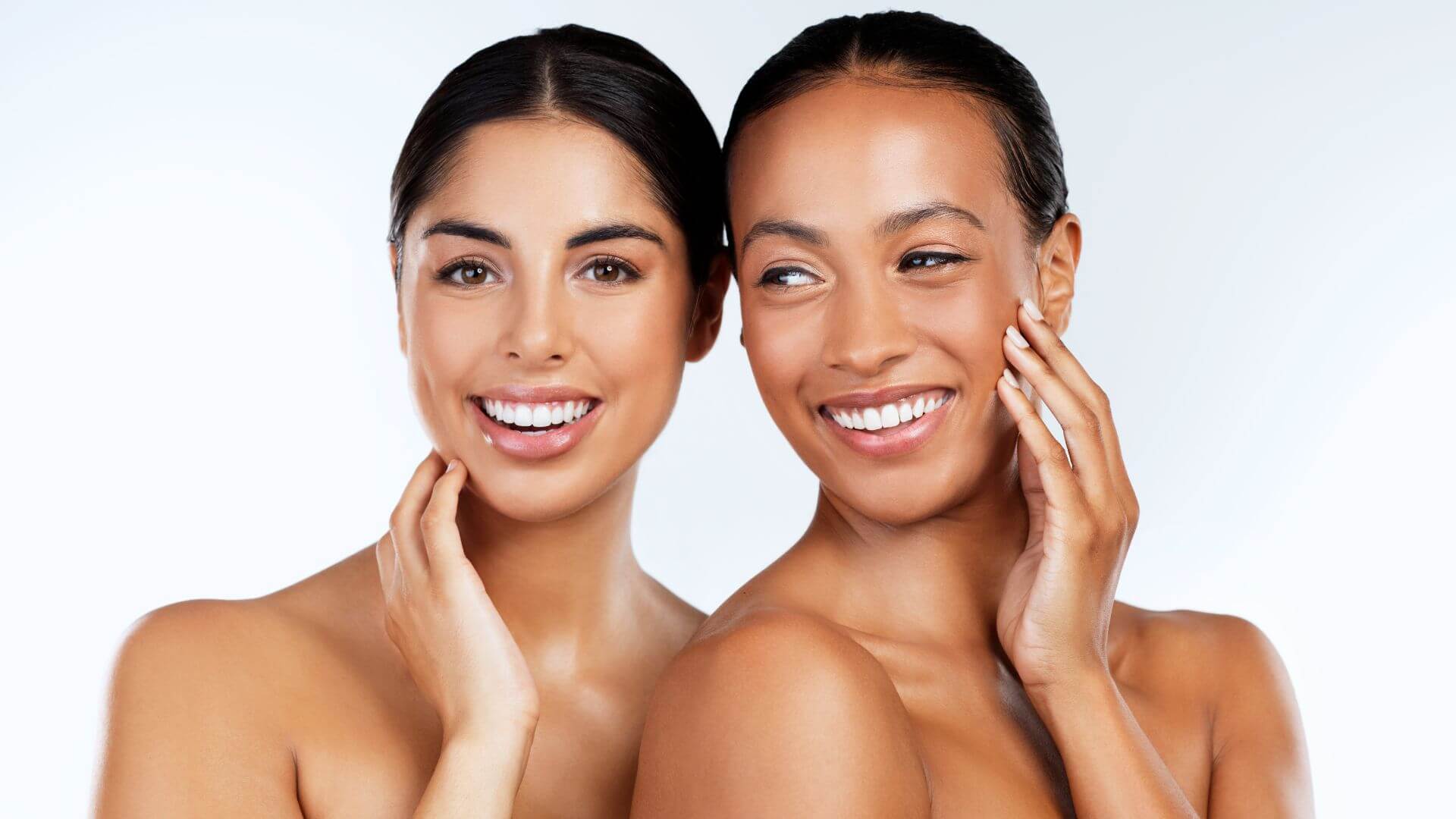
Skin type is a critical factor in determining the effectiveness of laser hair removal because it influences how well the laser penetrates the skin without causing damage. Individuals with light skin and dark hair typically experience the best results, as the contrast allows the laser to effectively target the melanin in the hair follicle. However, for those with darker skin types, intense pulsed light (IPL) treatments or specific laser devices designed for darker skin are recommended. These methods reduce the risk of pigmentation changes and can be a reliable option for hair removal on areas such as the upper lip with minimal risk and mild discomfort.
Importance of Hair Color
Hair color significantly impacts the success of laser hair removal. Dark hair containing more melanin absorbs laser energy more efficiently, resulting in effective hair reduction. Conversely, lighter hair colors, such as blonde or gray, offer less melanin and challenge traditional laser techniques. Although some advancements are being made, plastic surgeons and skincare specialists may suggest alternative methods for those seeking a permanent solution when laser technology is less effective.
Customized Treatment Plans
A personalized approach is essential, taking into account individual skin tone and hair color. Plastic surgeons and certified technicians conduct thorough assessments to devise a treatment plan that aligns with the client’s skin and hair characteristics, ensuring safety and maximizing results. Sessions take only a few minutes and are designed to manage expectations while significantly reducing hair over time.
Managing Mild Discomfort
During laser hair removal, individuals may experience mild discomfort, typically described as a sensation similar to a rubber band snapping against the skin. To mitigate this, pre-treatment preparations are crucial, such as cleansing the treatment area and following guidelines provided by specialists. Consistent aftercare also plays a vital role in minimizing discomfort and ensuring optimal results, contributing to laser hair removal’s reputation as a sought-after permanent solution for unwanted hair.
Why Protective Eyewear Is Essential During Laser Hair Removal
The Importance of Eye Safety
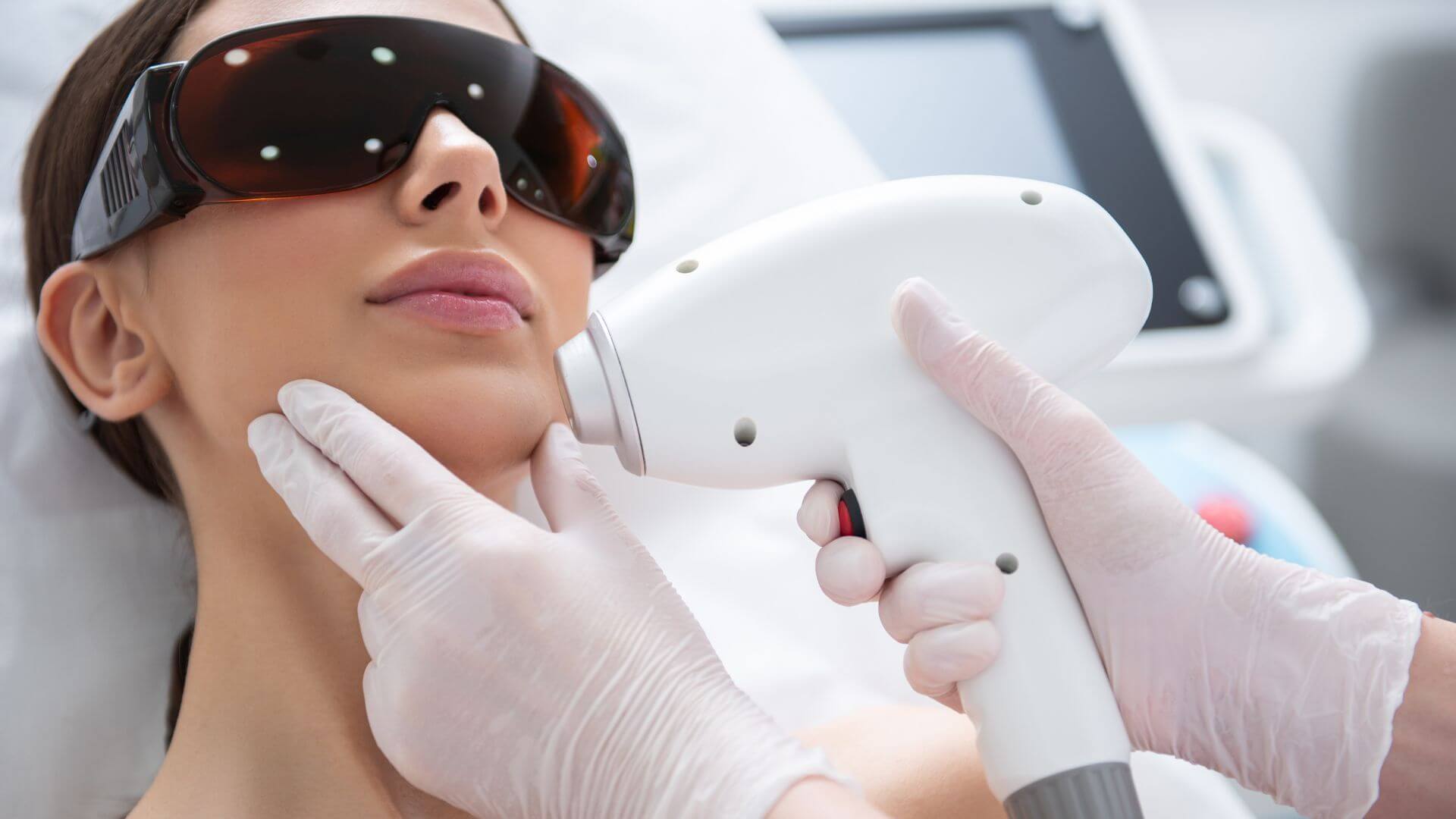
Laser hair removal involves the use of a highly concentrated beam of light, which can pose a risk to the eyes. Protective eyewear is crucial to shield the eyes from the intense laser light that can cause damage. During each session, whether targeting areas with facial hair like the upper lip or larger body hair zones such as the bikini line, both the patient and technician must wear specialized goggles to ensure safety.
Impact of Light Exposure
Exposure to laser light without proper protection can lead to temporary or even permanent eye injury. The risk is heightened for those undergoing hair removal treatments on facial areas. The laser’s intensity, capable of penetrating the skin to damage hair follicles and reduce unwanted hair growth, can easily affect the eyes if not adequately shielded. Therefore, protective eyewear is a non-negotiable part of each treatment session, ensuring that the focus remains on removing unwanted hair effectively and safely.
Ensuring Safe Treatments Across Skin Tones
Regardless of skin color or type, laser hair removal treatments require consistent safety practices. Protective eyewear is essential when using hair removal lasers across diverse skin tones, preventing any vision impairment. This universal precaution applies to all treated areas, whether reducing hair growth on light or dark skin, ensuring each session is both effective and harm-free.
Complementary Precautions
As part of comprehensive safety measures, avoiding direct sunlight on treated areas before and after sessions is strongly advised. This precaution reduces potential irritation and damage, enhancing the pain-free experience of laser hair removal. Patients are also encouraged to avoid sun lamps that may affect skin sensibility, further ensuring smooth, less hair-prone skin without complications. These practices, alongside wearing protective eyewear, contribute to optimal and safe hair removal outcomes for everyone, including those who may commonly refer to themselves humorously as “hairy girls.”
The Importance of Cleansing the Skin Before Laser Hair Removal

Preparing the Treatment Area
Cleansing the skin before undergoing laser hair removal is a critical step that contributes significantly to the effectiveness of the procedure. Proper preparation of the treatment area ensures that the laser hair removal process focuses on hair follicles without interference from dirt, oils, or cosmetic products that may inhibit the laser’s penetration. Clean skin allows hair removal lasers to target unwanted body hair more effectively, minimizing the risk of irritation and maximizing treatment results.
Enhancing Treatment Effectiveness
A well-cleaned treatment area ensures that the laser engages directly with the hair follicles, thereby improving the precision of removing unwanted hair. This step is especially crucial for those with varying skin colors, as clear skin facilitates the laser’s ability to discriminate between the skin and hair pigment. This precision is vital for those seeking to reduce hair growth in targeted areas, ensuring less hair remains after each session.
Reducing Discomfort and Side Effects
Cleansing the skin before hair removal treatments can also help mitigate mild discomfort and reduce the likelihood of side effects such as redness or irritation in the treated area. Removing excess oils and debris prepares the skin surface to receive laser energy without additional barriers, which can potentially cause complications. This step supports a smoother path to achieving smooth, hair-free skin through laser treatments.
Supporting Consistent Hair Removal Outcomes
For the laser hair removal process to progressively decrease hair growth, a clean slate before each session is crucial. Consistent pre-treatment cleansing leads to more reliable and uniform results over time, ensuring that body hair reduction efforts are maximized effectively. Whether you aim to remove unwanted hair on large areas or more sensitive zones, maintaining clean skin is a foundational practice to help achieve your desired appearance.
Why Multiple Sessions Are Required for Optimal Laser Hair Removal Results
Understanding the Hair Growth Cycle
The requirement for multiple sessions in laser hair removal primarily stems from the natural hair growth cycle. Human hair grows in different phases: anagen (growth), catagen (transitional), and telogen (resting). The anagen phase is when hair removal lasers are most effective, as the laser targets and destroys the hair follicle. However, not all hair in a treated area is in the anagen phase at the same time, necessitating multiple treatments to catch each follicle at the right moment for effective hair removal.
Targeting Treated Hair Consistently
Consistency is key when treating hair with laser removal techniques. Each session incrementally reduces the amount of treated hair, as the laser works best during the active growth phase of hair. Multiple sessions ensure that hair follicles in different growth phases are targeted, gradually diminishing hair growth. This method enhances the precision and efficiency of hair removal, crucial for achieving long-lasting results.
Adapting to Skin Color Variations
Skin color can affect the laser hair removal process, as the pigment in hair, not skin, is targeted by the laser. Properly adjusting the laser settings for various skin tones can optimize hair removal across diverse clients. Multiple sessions allow personalized adjustments for different skin colors, maximizing effectiveness while minimizing any potential risks to the skin in the treated area.
Achieving Thorough Coverage Across Treated Areas
Attaining complete hair reduction in larger or more challenging treated areas requires multiple sessions to ensure thoroughness. Each session targets specific sections of the body, providing comprehensive coverage over time, especially in areas with denser or coarser hair growth. By methodically covering each treated area, the process becomes more effective and satisfactory in reducing the presence of unwanted hair.
Immediate Aftercare Following Laser Hair Removal Sessions

Cooling and Soothing the Skin
Immediately after a laser hair removal session, it’s important to soothe the treated area to minimize discomfort or irritation. Applying a cool compress or ice pack can help reduce swelling and calm any redness. Over-the-counter aloe vera gel or calming creams specifically designed for post-laser treatments can also be beneficial. These measures help alleviate any immediate side effects and promote comfort after the procedure.
Avoiding Heat and Sun Exposure
Post-treatment care involves avoiding heat applications such as saunas, hot showers, and sun exposure for at least 24 to 48 hours. The skin may be more sensitive to UV rays and high temperatures, increasing the risk of hyperpigmentation or irritation. Wearing broad-spectrum sunscreen on exposed areas can protect the skin from potential damage and ensure the treated area heals properly.
Steering Clear of Harsh Products
Refrain from using skincare products that contain harsh chemicals, exfoliants, or irritants for several days after your session. This includes alpha hydroxy acids (AHAs), retinoids, and alcohol-based products, which may cause further irritation to the treated skin. Instead, opt for gentle cleansers and moisturizers that support the skin’s natural healing process while maintaining hydration.
Monitoring the Skin’s Reaction
Keep an eye on the treated area for any prolonged redness, swelling, or unusual reactions. While mild side effects are common, persistent discomfort or adverse changes in the skin should be addressed promptly. Consulting with a professional if any concerning symptoms occur ensures that the skin’s health is maintained and that any necessary interventions are administered.
Scheduling Follow-Up Appointments
Following up on your laser hair removal sessions and adhering to the recommended schedule is crucial for achieving the desired results. Since multiple treatments are necessary for optimal hair reduction, staying consistent with your appointments allows the process to work effectively. Regular sessions ensure that the final results meet expectations and that the reduction of unwanted hair is thorough and lasting.
How Laser Hair Removal Leads to Finer and Lighter Hair Over Time

The Gradual Impact of Laser Treatment on Hair Texture
Laser hair removal, with its targeted approach to damaging hair follicles, gradually alters the texture and appearance of hair. As sessions progress, repeated exposure to laser technology weakens the treated follicles. This weakening process results in the production of hair that is noticeably finer and lighter in color. Over time, as the follicles continue to suffer damage, their ability to regenerate dense or dark hair diminishes, contributing to a subtler and more refined aesthetic.
Reduction in Hair Regrowth Density
As hair follicles are exposed to laser energy over multiple sessions, their regenerative capabilities are reduced. This decreased ability results in a significantly lower density of hair regrowth in the treated areas. Clients notice a thinning of hair patches and an unevenness in regrowth patterns. This shift is a direct outcome of the laser’s ability to selectively target active follicles during the growth phase, progressively decreasing the overall volume and robustness of regrown hair.
How Hair Pigment Changes with Laser Treatment
The laser targets melanin, the pigment present in hair, effectively fragmenting its appearance over consecutive treatments. With persistent exposure, the pigment diminishes, resulting in lighter hair that is less conspicuous. This transformation is particularly advantageous for individuals with dark hair who seek a less noticeable shadow between sessions. Lighter hair complements the reduced density and finer texture, creating a more uniform appearance over time.
Long-Term Benefits and Maintenance
The shift towards finer and lighter hair as a result of laser hair removal is an appealing long-term benefit for many clients seeking sustainable results. While the initial goal is often significant hair reduction, the gradual refinement of hair structure presents additional aesthetic advantages. For lasting results, it’s important to adhere to a maintenance regimen, which may include occasional follow-up sessions to target any new follicle activity or to address slight changes in regrowth patterns over the years.
Get Started on Your Smooth Skin Journey

Ready to experience the benefits of laser hair removal and enjoy the confidence that comes with smooth skin? Contact Lavish Laser MedSpa today to schedule your consultation! Our team of experienced professionals is dedicated to providing personalized treatments that address your unique needs. Whether you’re looking to reduce hair density, achieve finer hair texture, or simply want to embrace lasting results, we’re here to help. Call us now or visit our website to book an appointment and take the first step towards achieving the flawless skin you desire. Don’t wait any longer; your path to smoother, hair-free skin is just a call away!


0 Comments