

Feeling confident in your skin is essential for overall well-being in our fast-paced world. Let’s explore effective strategies for achieving not just immediate improvements, but also sustainable, long-lasting results for your skin.
We will discuss various skincare routines, the importance of selecting the right products, and how nutrition plays a vital role in enhancing skin health. By combining expert advice with personal testimonials, we aim to empower readers to take charge of their skincare journey and cultivate a confidence that shines from within. Join us as we reveal the secrets to achieving lasting skin beauty and boosting your self-esteem.
The Importance of Healthy Skin
Healthy skin serves as both a protective barrier and a reflection of our overall well-being. Understanding its role can provide insights into how skin health impacts various aspects of life.
The Skin as a Barrier
The skin is our body’s first line of defense against environmental factors such as pollutants, UV radiation, and pathogens. Maintaining its integrity is crucial for preventing infections and diseases. Well-hydrated and nourished skin helps strengthen this barrier, ensuring that harmful substances are kept at bay while allowing the body to regulate temperature and moisture effectively.
Connection to Mental Health
Beyond its physical role, healthy skin significantly influences self-esteem and psychological well-being. The appearance of the skin can affect confidence levels, with skin conditions such as acne or eczema often leading to social withdrawal or anxiety. Prioritizing skin health can lead to improvements in self-image, fostering a more positive mindset and encouraging social interaction.

Holistic Approach to Well-Being
A commitment to skincare is part of a holistic approach to health. The benefits of nourishing and caring for the skin extend beyond aesthetics; they encompass physical, mental, and emotional health. By investing time in skincare routines and making informed product choices, individuals can cultivate a sense of well-being that radiates outward, enhancing their quality of life overall.
Effective Skincare Routines
Establishing daily habits for radiant, long-lasting skin is essential for achieving and maintaining healthy skin. A consistent skincare routine not only addresses current concerns but also prevents future issues, ensuring that your skin remains in optimal condition.
Morning Routine: Start Your Day Right
A morning skincare routine prepares your skin for the day ahead. Begin with a gentle cleanser to remove any impurities accumulated overnight. Follow up with a toner to balance the skin’s pH and provide hydration, then apply a serum enriched with antioxidants to protect against environmental stressors. Finally, don’t forget to use a broad-spectrum sunscreen with at least SPF 30 to shield your skin from harmful UV rays throughout the day.
Evening Routine: Unwind and Repair
Your evening routine should focus on repairing and rejuvenating your skin while you sleep. Start by thoroughly cleansing your skin to remove makeup, dirt, and pollutants. Follow this with an exfoliant 2-3 times a week to slough away dead skin cells and promote cell turnover. After cleansing, apply a nourishing serum or treatment tailored to your skin concerns, such as retinol for anti-aging or hyaluronic acid for hydration. Conclude with a rich moisturizer to lock in moisture and support your skin’s natural repair processes overnight.
Weekly Treats: Masks and Treatments
Incorporating masks and treatments into your routine once or twice a week can provide an extra boost to your skincare efforts. Clay masks are excellent for detoxifying and clearing pores while hydrating masks can soothe and replenish dry skin. Targeted treatments, such as spot treatments for blemishes or brightening masks for dull skin, can address specific needs, enhancing the overall effectiveness of your skincare regime.
Listening to Your Skin
An effective skincare routine requires flexibility and attentiveness to your skin’s needs. Factors such as changes in seasons, hormonal fluctuations, and stress levels can affect your skin’s condition. Paying attention to these signals and adjusting your routine accordingly will help you maintain healthy, radiant skin and foster a deeper understanding and connection with your skin’s unique needs.
Choosing the Right Products
Navigating the vast skincare market to find the best options for your skin type can be overwhelming. With countless brands, formulations, and trends, it’s crucial to focus on the ingredients and feedback that align with your individual needs.
Understand Your Skin Type
Before selecting products, it’s essential to determine your skin type—whether it’s oily, dry, combination, sensitive, or normal. Each type has distinct characteristics and requires tailored ingredients. For example, oily skin benefits from oil-free, non-comedogenic products, while dry skin requires hydration-rich formulations. Understanding your skin type sets the foundation for effective skincare choices.
Key Ingredients to Look For
Familiarizing yourself with beneficial ingredients can help you make informed decisions. For oily or acne-prone skin, ingredients like salicylic acid and tea tree oil can effectively clear breakouts. If you have dry skin, look for hyaluronic acid, shea butter, and glycerin, which are excellent for hydration. Antioxidants like vitamins C and E can benefit all skin types by combating free radicals and enhancing skin luminosity. Always consider ingredients that cater specifically to your skin concerns.
Read Labels and Reviews
When shopping for skincare products, take the time to read the labels carefully. Check for any potential allergens or irritants, especially if you have sensitive skin. Product reviews can provide valuable insights from others with similar skin types and concerns. Look for feedback on effectiveness and any adverse reactions, as these can guide you toward better choices.
Sample Before You Commit
Many retailers offer samples or travel-sized versions of products, which can be an excellent way to test how a product interacts with your skin before committing to a full-sized purchase. Pay attention to how your skin reacts over a few days; this can help you avoid the disappointment and financial loss associated with products that don’t suit your needs.
Consult Professionals
If you’re unsure which products would be best for you, consider consulting a dermatologist or a skincare professional. They can assess your skin’s specific needs and recommend tailored product recommendations, ensuring you choose the most effective options for achieving healthy skin.
Role of Nutrition in Skin Health
A well-rounded diet plays a significant role in maintaining healthy, glowing skin. The nutrients obtained from various food sources nourish the skin from the inside out, influencing its appearance and texture. By focusing on balanced nutrition, individuals can enhance their skin health and combat common skin concerns.
Essential Nutrients for Healthy Skin
Certain nutrients are particularly beneficial for skin health. Omega-3 fatty acids, found in fatty fish like salmon and walnuts, help to maintain the skin’s barrier function, preventing dryness and inflammation. Vitamins A, C, and E are antioxidants that combat oxidative stress, promote healing, and improve skin elasticity. Zinc, found in nuts and seeds, is crucial for cell production and regeneration, aiding in the healing of acne and other skin irritations.
Hydration: The Key to Radiance
Water is perhaps the most vital component for maintaining skin health. Staying adequately hydrated helps to flush out toxins, supports circulation, and maintains skin elasticity. Aim to drink plenty of water throughout the day and incorporate hydrating fruits and vegetables, such as cucumbers, oranges, and strawberries, into your diet to further boost your hydration levels.
The Impact of Sugar and Processed Foods
Dietary choices can significantly affect skin health, particularly the consumption of sugar and processed foods. High sugar intake can lead to inflammation and promote the production of advanced glycation end products (AGEs), which can damage collagen and elastin, resulting in premature aging. Reducing the consumption of processed snacks, sweets, and sugary beverages can lead to clearer, healthier skin.
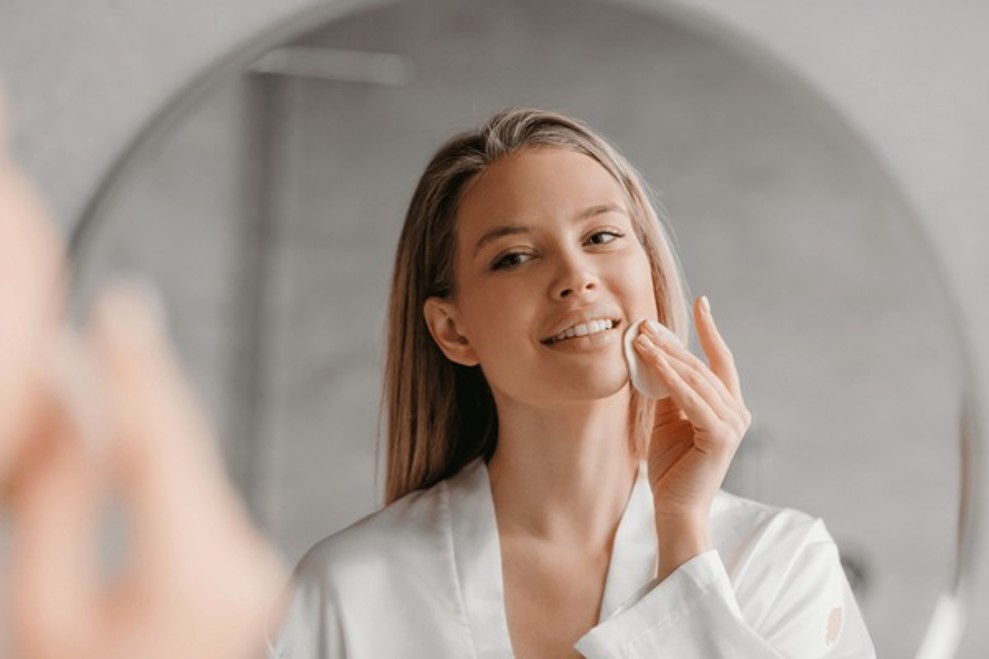
Antioxidant-Rich Foods for Skin Protection
Incorporating a variety of fruits and vegetables into your diet can provide the body with antioxidants that help protect skin cells from damage. Berries, leafy greens, and brightly colored produce like carrots and bell peppers are packed with vitamins and minerals that support skin health and contribute to a radiant complexion. Aim for a rainbow of colors on your plate for maximum nutritional benefits.
The Importance of Consistency
A balanced diet requires commitment and consistency to yield visible results on the skin. Gradually introducing nutrient-rich foods into your daily routine and paying attention to how they affect your skin can help foster healthy habits that support your overall well-being. By prioritizing nutrition, you can achieve a complexion that reflects both inner health and outer vibrancy.
Expert Tips for Sustainable Results
Achieving and maintaining healthy skin requires not only the right products and nutrition but also a commitment to sustainable practices. Here are some expert tips from dermatologists and skin care professionals to help ensure that your skincare routine delivers lasting results.
Establish a Consistent Routine
Creating a regular skincare routine is essential for improving and maintaining skin health. Cleanse, moisturize, and protect your skin daily, and incorporate targeted treatments like serums or masks as needed. Consistency is key; creating habits that prioritize your skincare will yield better results over time.
Sun Protection is Non-Negotiable
One of the most crucial aspects of a skin health regimen is sun protection. Using broad-spectrum sunscreen with an SPF of at least 30 daily can prevent sun damage, premature aging, and skin cancer. Reapply every two hours when outdoors and be mindful of sun exposure even on cloudy days.
Be Gentle with Your Skin
Avoid harsh treatments and aggressive exfoliation, as these can disrupt the skin barrier and lead to irritation or inflammation. Choose gentle formulations and apply products with care, using soft, upward motions to avoid tugging at the skin. Emphasizing a calming approach can enhance the overall health of your skin.
Monitor Changes and Adjust Accordingly
Skin changes over time due to factors like age, environment, and hormonal shifts. Regularly assess your skin’s needs and adjust your routine and products accordingly. If you notice persistent issues or signs of irritation, consult with a dermatologist for professional guidance.
Stay Informed and Educated
The skincare industry is ever-evolving, with new ingredients and trends emerging frequently. Continuing to educate yourself about skin care can empower you to make informed decisions. Follow credible sources, attend workshops, or seek professional advice to stay updated on the best practices for your skin type.
Invest in Quality Over Quantity
When it comes to skincare, quality often trumps quantity. Rather than layering numerous products, focus on a few effective formulations that cater to your specific concerns. High-quality products may cost more upfront, but they can provide better results and save you money spent on ineffective alternatives in the long run.
Hydration and Skin Wellness
The Crucial Role of Water in Maintaining Skin Vitality
Water is fundamental to skin health, as it helps to keep skin hydrated, plump, and elastic. Adequate hydration not only supports the skin’s barrier function but also aids in delivering essential nutrients to skin cells. When the body is well-hydrated, it can also effectively eliminate toxins, which can otherwise contribute to issues such as breakouts and dullness.
Signs of Dehydrated Skin
Dehydrated skin can manifest in various ways, including a dull complexion, increased sensitivity, flakiness, and the appearance of fine lines. A lack of hydration may exacerbate existing skin conditions such as eczema or psoriasis. Recognizing these signs is the first step towards remedying dehydration and restoring skin health.
Tips for Staying Hydrated
- Drink Plenty of Water: Aim for at least eight 8-ounce glasses of water per day, adjusting based on your activity level and climate.
- Eat Water-Rich Foods: Incorporate fruits and vegetables with high water content into your diet, such as watermelon, cucumbers, and lettuce, to enhance your hydration through nutrition.
- Limit Dehydrating Beverages: While coffee and alcohol can be enjoyable in moderation, excessive consumption can lead to dehydration. Balance these with additional water intake.
- Use Hydrating Skincare Products: Look for moisturizers and serums that contain ingredients like hyaluronic acid, glycerin, or aloe vera, which attract and retain moisture in the skin.
Maintaining proper hydration is essential for achieving and sustaining healthy, radiant skin. By prioritizing water intake and opting for hydrating foods and products, individuals can support their skin’s vitality and improve overall skin wellness.
Sun Protection Strategies
Understanding UV Radiation
Ultraviolet (UV) radiation from the sun is a primary cause of skin damage, including sunburn, premature aging, and skin cancer. Two main types of UV rays affect the skin: UVA and UVB. UVA rays penetrate deep into the skin, leading to long-term damage and wrinkles, while UVB rays are responsible for sunburn and contribute to the development of skin cancer. Understanding these differences is essential for effective sun protection.
Choosing the Right Sunscreen
Selecting an appropriate sunscreen is crucial for shielding your skin from harmful UV rays. Look for a broad-spectrum sunscreen that protects against both UVA and UVB rays, with an SPF of at least 30. Apply it generously to all exposed areas of the skin, including the face, ears, and back of the neck. Remember to reapply every two hours, or immediately after swimming or sweating, to ensure continued protection.
Timing Your Sun Exposure
The intensity of UV rays is highest between 10 a.m. and 4 p.m., making it essential to limit direct sun exposure during these hours. If possible, seek shade, wear protective clothing, and use a wide-brimmed hat and sunglasses to further shield your skin. If you must be outdoors, plan your activities for the early morning or late afternoon when UV radiation is less intense.
Incorporating Sun-Protective Clothing
In addition to sunscreen, wearing protective clothing can provide an extra layer of defense against UV radiation. Clothing made from tightly woven fabrics, preferably with a UPF (Ultraviolet Protection Factor) rating, can effectively block UV rays. Long sleeves, long pants, and a wide-brimmed hat can enhance your sun protection strategy for outdoor activities.
Being Mindful of Reflective Surfaces
Reflective surfaces, such as water, sand, and concrete, can increase sun exposure, as they bounce UV rays back onto the skin. When spending time at the beach, pool, or in snowy environments, take extra precautions by applying sunscreen, wearing protective clothing, and seeking shade whenever possible.
Regular Skin Checks
Regularly examining your skin for new moles or changes to existing moles can help detect potential skin cancer early. Look for signs such as asymmetry, irregular borders, multiple colors, or any changes in size. If you notice anything unusual, consult a dermatologist promptly for a professional assessment. Being proactive about your skin’s health is a crucial complement to effective sun protection strategies.
Contact Lavish Laser Med Spa Today!
Are you ready to elevate your skincare routine and achieve the glowing skin you deserve? Our team at Lavish Laser Med Spa is here to provide personalized guidance and treatments tailored to your unique skin needs. Don’t wait any longer—reach out to us today to schedule a consultation and discover the best strategies and products for your skin health. Together, we can unveil your radiant beauty!




0 Comments