![[GetPaidStock.com]-669647220c975](https://lavish.vendadigitall.com.br/wp-content/uploads/2024/07/GetPaidStock.com-669647220c975-1.jpg)
In the quest for flawless skin, medspa treatments have become increasingly popular, thanks to their effectiveness and minimal downtime. From rejuvenating facials to advanced laser therapies, these treatments are designed to target a variety of skin concerns. Popular options include microneedling, which stimulates collagen production and enhances skin texture, and chemical peels, which exfoliate dead skin cells for a brighter complexion.
Laser treatments like IPL (Intense Pulsed Light) work wonders on pigmentation issues and improve overall skin tone. With so many viral treatment options available, achieving radiant, flawless skin has never been more accessible.
The Rise of Medspa Treatments for Flawless Skin
Benefits of Medspa Treatments
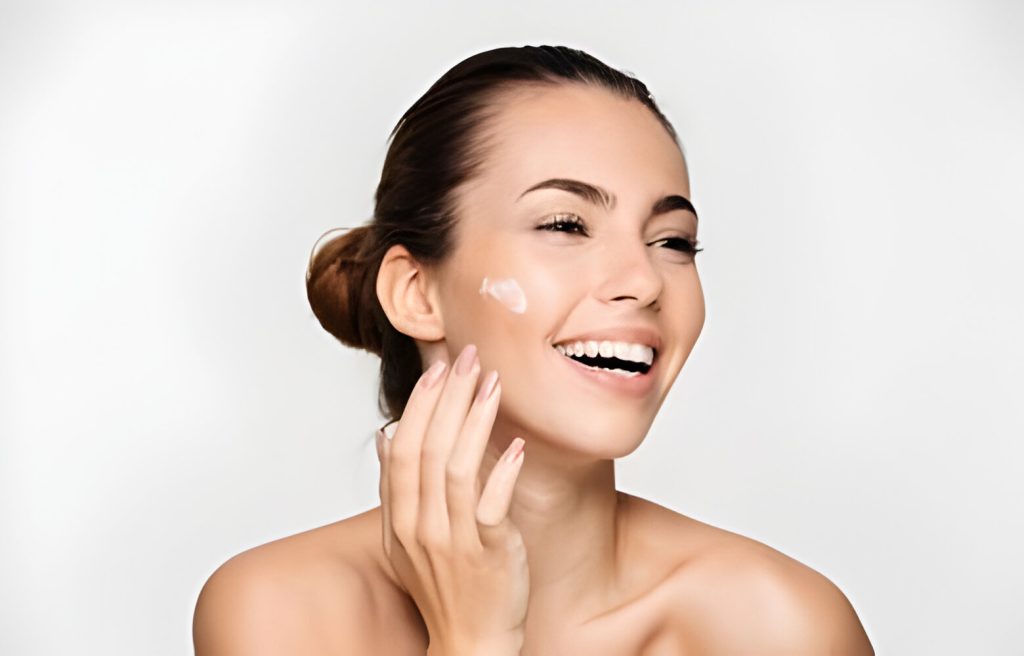
Medspa treatments offer a host of benefits that traditional skincare routines simply can’t match. These treatments are not only effective but also tailored to individual skin types and concerns. The precision of medspa technologies allows for targeted treatment, ensuring optimal results with minimal side effects. This approach helps in addressing specific issues such as uneven skin tone, fine lines, acne scars, and pigmentation. Furthermore, the non-invasive nature of many of these treatments means less recovery time compared to surgical options, making them highly appealing to those with busy lifestyles.
Popular Medspa Treatments
Microneedling
Microneedling has surged in popularity due to its remarkable ability to stimulate collagen production. By creating tiny punctures in the skin, this process facilitates natural healing, promoting a smoother and firmer complexion. It’s particularly effective for reducing the appearance of scars, fine lines, and large pores.
Chemical Peels
Chemical peels offer a deep exfoliation that removes the top layer of dead skin cells, revealing a brighter and more youthful complexion underneath. They can vary in strength, from mild peels that require no downtime to deep peels that offer more dramatic results. This flexibility makes chemical peels suitable for a range of skin concerns, from surface-level dullness to deep wrinkles.
Laser Treatments
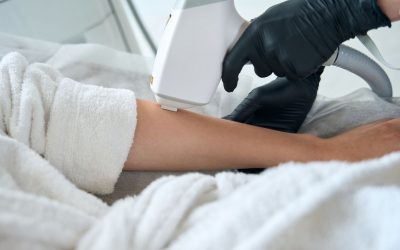
Laser treatments such as IPL (Intense Pulsed Light) have become a go-to for tackling pigmentation issues and improving overall skin tone. These treatments use light to target skin imperfections, promoting an even complexion and reducing redness and sunspots. The versatility of laser treatments allows them to address a wide range of issues, making them a cornerstone of modern medspa offerings.
Accessibility and Convenience
One of the key factors driving the rise of medspa treatments is their accessibility and convenience. Many treatments can be performed in under an hour and require minimal downtime, making it easy for individuals to fit them into their schedules. Additionally, the increasing number of medspas means that these advanced skincare solutions are readily available to a broader audience, democratizing access to high-quality skincare.
The rise of medspa treatments marks a significant shift in how people approach skincare. With their combination of effectiveness, minimal downtime, and tailored solutions, these treatments offer a compelling alternative to traditional skincare routines. As technology continues to advance, the future of medspa treatments looks even more promising, making flawless skin an achievable goal for many.
Rejuvenating Facials: A Foundation for Radiant Skin
What Are Rejuvenating Facials?
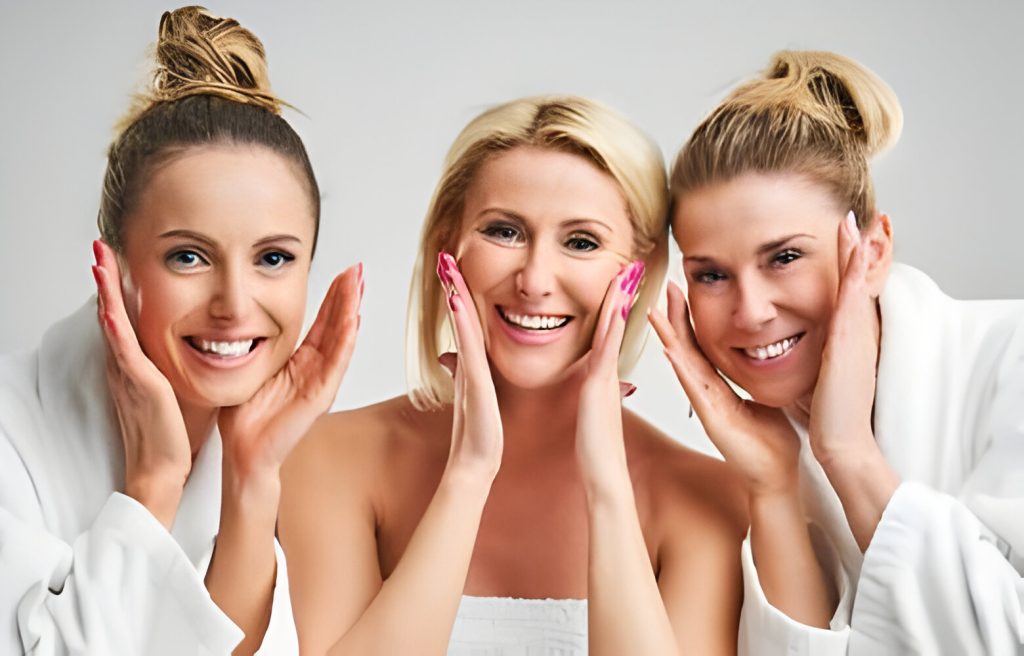
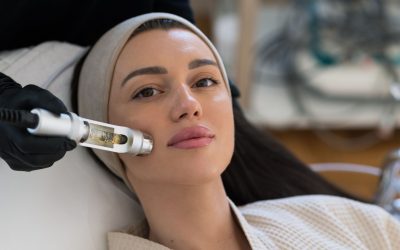
Rejuvenating facials are specialized treatments designed to enhance the overall health and appearance of your skin. These facials often incorporate a range of techniques and products tailored to your specific skin concerns, whether it’s hydrating dry skin, calming sensitive skin, or tackling acne and blemishes. The primary goal is to rejuvenate the skin, leaving it feeling refreshed and revitalized.
Benefits of Rejuvenating Facials
Rejuvenating facials come with a plethora of benefits that contribute to radiant, youthful skin:
- Deep Cleansing: These facials offer a level of cleansing that can’t be achieved with at-home skincare routines. They remove impurities, unclog pores, and leave the skin free of debris.
- Hydration and Nourishment: Specialized serums and masks infuse the skin with essential nutrients and moisture, promoting a healthy glow.
- Improved Circulation: Facial massages boost blood circulation, encouraging a natural, rosy complexion and aiding in the skin’s overall health.
- Anti-Aging Effects: Many rejuvenating facials include treatments that stimulate collagen production, reducing the appearance of fine lines and wrinkles.
Types of Rejuvenating Facials
Rejuvenating facials come in various forms, each designed to address different skin needs. Here are a few popular types:
Hydrating Facials
Hydrating facials focus on replenishing lost moisture and are ideal for dry or dehydrated skin. They utilize products rich in hyaluronic acid, vitamins, and antioxidants to lock in moisture and nourish the skin deeply.
Anti-Aging Facials
Anti-aging facials combat the signs of aging by using ingredients that promote collagen and elastin production. They often include treatments like microdermabrasion, LED light therapy, and the application of potent antioxidants.
Acne-Fighting Facials
These facials aim to treat and prevent acne by deeply cleansing the skin, reducing inflammation, and incorporating antibacterial treatments. Salicylic acid, glycolic acid, and sulfur masks are common components in acne-fighting facials.
Customization and Personalization
What sets rejuvenating facials apart is their ability to be customized to suit individual skin types and concerns. Experienced estheticians assess your skin and tailor the treatment to ensure optimal results. This personalized approach makes rejuvenating facials a cornerstone for anyone looking to achieve radiant, healthy skin.
Aftercare and Maintenance
Post-facial care is crucial to maintaining the benefits of a rejuvenating facial. Hydrating well, using recommended skincare products, and protecting your skin from the sun will help prolong the results. Regular visits to a skilled esthetician ensure your skin remains in peak condition.
Rejuvenating facials lay the foundation for radiant skin, offering an effective combination of deep cleansing, hydration, and targeted treatments. By integrating these facials into your skincare routine, you can achieve and maintain a glowing, youthful complexion.
Microneedling: Stimulating Collagen for Enhanced Texture
What Is Microneedling?
Microneedling, also known as collagen induction therapy, is a minimally invasive procedure that aims to stimulate collagen production using tiny, sterile needles. These needles create controlled micro-injuries to the skin, triggering the body’s natural healing process. As the skin repairs itself, it produces new collagen and elastin, resulting in a firmer and more youthful appearance.
Benefits of Microneedling
Microneedling offers a range of benefits that make it a popular choice for enhancing skin texture and quality:
- Collagen Production: By stimulating collagen and elastin, microneedling helps to improve skin firmness and reduce the appearance of fine lines and wrinkles.
- Improved Skin Texture: The treatment smooths out rough patches and uneven skin tone, leaving you with a more refined complexion.
- Reduction of Scars: Microneedling is particularly effective in reducing the appearance of acne scars and other types of scarring.
- Increased Product Absorption: Post-treatment, your skin can better absorb serums and skincare products, making them more effective.
What to Expect During a Microneedling Session
A typical microneedling session begins with an application of a numbing cream to minimize discomfort. The esthetician then uses a derma roller or a pen-like device to create tiny punctures in the skin. The procedure typically lasts about 30 to 60 minutes, depending on the area being treated. Some mild redness and swelling can be expected post-treatment, but these side effects usually subside within a few days.
Aftercare and Recovery
Proper aftercare is essential for achieving optimal results from microneedling. Here are some guidelines to follow:
- Keep the Skin Hydrated: Use moisturizers as recommended by your esthetician to keep your skin hydrated and promote healing.
- Avoid Sun Exposure: Protect your skin from the sun by using broad-spectrum sunscreen and avoiding direct sunlight for at least a week.
- Avoid Harsh Products: Stay clear of products containing retinol or other harsh ingredients until your skin has fully recovered.
Frequency of Treatments
The frequency of microneedling sessions can vary based on individual skin concerns and goals. Generally, a series of 3 to 6 treatments spaced about 4 to 6 weeks apart is recommended for optimal results. Maintenance sessions every few months can help sustain the benefits.
Microneedling is an effective treatment for improving skin texture and stimulating collagen production, making it a valuable addition to any skincare regimen. Its ability to address multiple skin concerns with minimal downtime makes it a versatile and popular choice for those seeking enhanced skin quality.
Chemical Peels: Exfoliation for a Brighter Complexion
What Are Chemical Peels?
Chemical peels are skin-resurfacing procedures that use a chemical solution to exfoliate and remove the top layer of the skin. This process reveals a new, regenerated layer that is typically smoother and more radiant. Chemical peels can vary in strength, from superficial to deep, with each type addressing different skin concerns.
Benefits of Chemical Peels
The benefits of chemical peels extend far beyond simple exfoliation:
- Improved Skin Texture and Tone: By removing dead skin cells, chemical peels promote a smoother and more even complexion.
- Reduction of Fine Lines and Wrinkles: The procedure stimulates collagen production, helping to reduce the appearance of fine lines and wrinkles.
- Acne and Scar Treatment: Chemical peels can effectively reduce acne, diminish acne scars, and unclog pores, leading to clearer skin.
- Brighter Complexion: The exfoliation process removes dull and damaged skin, revealing a brighter and more youthful appearance.
- Hyperpigmentation: It helps in reducing dark spots and hyperpigmentation, giving the skin a more uniform look.
Types of Chemical Peels
There are three main types of chemical peels, each catering to different skin needs and concerns:
Superficial Peels
Also known as lunchtime peels, these use mild acids like alpha-hydroxy acid to gently exfoliate the outer layer of the skin. They require little to no downtime and are suitable for all skin types.
Medium Peels
Medium peels penetrate the outer and middle layers of the skin, using stronger acids like glycolic or trichloroacetic acid. They are effective for treating fine lines, wrinkles, and pigmentation issues, with a recovery period of about one week.
Deep Peels
Deep peels use phenol or trichloroacetic acid to deeply penetrate the middle layer of the skin. They are highly effective for treating deeper wrinkles, severe sun damage, and scars, but entail a more extended recovery period.
What to Expect During a Chemical Peel
The procedure begins with a thorough cleansing of the skin. Depending on the type and strength of the peel, the chemical solution is then applied to the skin, causing it to exfoliate and eventually peel off. Some tingling or burning sensations may be felt during the treatment, but it is generally well-tolerated.
Aftercare and Recovery
Post-treatment care is crucial for optimal results and minimizing side effects:
- Hydration: Keep the skin moisturized and use gentle skincare products.
- Sun Protection: Avoid sun exposure and use broad-spectrum sunscreen to protect the newly revealed skin.
- Follow Skincare Guidelines: Adhere to any aftercare instructions provided by your skincare professional to aid in the healing process.
Frequency of Chemical Peels
The frequency of chemical peels can vary based on individual skin concerns and the type of peel used. Superficial peels can be performed as often as every few weeks, while medium and deep peels should be spaced further apart, ranging from a few months to once a year.
Chemical peels offer a versatile solution for anyone seeking to improve their skin’s texture, tone, and overall appearance. Whether you are dealing with acne, wrinkles, or hyperpigmentation, incorporating chemical peels into your skincare routine can help achieve a brighter, more youthful complexion.
Laser Treatments: Addressing Pigmentation and Improving Skin Tone
What Are Laser Treatments?
Laser treatments use focused light energy to target specific skin concerns, such as pigmentation issues, fine lines, wrinkles, and uneven skin tone. By delivering controlled energy to the skin, laser treatments can stimulate collagen production, break down pigmentation, and promote the growth of new skin cells, resulting in a more even and youthful appearance.
Benefits of Laser Treatments
Laser treatments offer numerous benefits for those looking to enhance their skin’s appearance:
- Reduction of Pigmentation: Effective at reducing dark spots, age spots, and hyperpigmentation caused by sun exposure, acne scars, or melasma.
- Even Skin Tone: Helps to smooth out uneven skin tone and texture by encouraging the regeneration of healthy skin cells.
- Wrinkle Reduction: Stimulates collagen production, helping to minimize the appearance of fine lines and wrinkles, leading to firmer and more youthful skin.
- Acne Scar Treatment: This can effectively reduce the visibility of acne scars by resurfacing the skin and promoting new cell growth.
- Minimal Downtime: Many laser treatments are non-invasive and require little to no downtime, making them convenient for those with busy schedules.
Types of Laser Treatments
There are several types of laser treatments available, each suited to different skin issues and goals:
Ablative Lasers
Ablative lasers, such as CO2 and Erbium lasers, work by removing the outer layers of damaged skin. This process stimulates the body’s natural healing response, encouraging the production of new collagen and elastin. Ablative lasers are highly effective for treating deep wrinkles, scars, and severe sun damage, but they require a longer recovery period.
Non-Ablative Lasers
Non-ablative lasers, such as Nd:YAG, and Diode lasers, work by heating the underlying skin tissue without removing the outer layer. This stimulates collagen production and tightens the skin, making them a good option for treating fine lines, and minor pigmentation issues, and improving overall skin texture. Non-ablative lasers generally have shorter recovery times compared to ablative lasers.
Fractional Lasers
Fractional lasers, like Fraxel, divide the laser energy into thousands of microscopic treatment zones, targeting a fraction of the skin at a time. This allows for faster healing and reduced downtime while effectively treating a variety of skin concerns, including pigmentation, fine lines, and acne scars.
What to Expect During a Laser Treatment
Before the treatment, a topical anesthetic may be applied to minimize discomfort. During the procedure, the laser device is passed over the targeted area, emitting light energy that penetrates the skin. The sensation can vary from mild heating to a snapping feeling, depending on the type and intensity of the laser used. The duration of the treatment can range from a few minutes to an hour, depending on the size of the area being treated.
Aftercare and Recovery
Post-treatment care is crucial for ensuring optimal results and minimizing side effects:
- Hydration: Keep the skin moisturized and use gentle, hydrating skincare products to support the healing process.
- Sun Protection: Protect your skin from UV exposure by applying broad-spectrum sunscreen and avoiding direct sunlight for several weeks post-treatment.
- Follow Post-Treatment Guidelines: Adhere to any specific aftercare instructions provided by your skincare professional to aid in recovery and enhance results.
Frequency of Laser Treatments
The frequency of laser treatments varies depending on the type of laser used and individual skin concerns. Ablative treatments may require only one session or a few sessions spaced several months apart, while non-ablative and fractional lasers typically need a series of treatments spaced a few weeks apart for optimal results. Maintenance sessions may be recommended periodically to sustain the benefits.
Laser treatments offer a powerful solution for addressing pigmentation issues and achieving a more even skin tone. With their ability to target a range of skin concerns with minimal downtime, laser treatments are a popular and effective choice for those seeking significant improvements in their skin’s appearance.
Contact Lavish Laser Medspa
At Lavish Laser Medspa in Miami, we offer a personalized wellness experience tailored to your unique needs. Led by Dr. Marc Epstein, our woman-owned facility provides cutting-edge aesthetic procedures with over fifty years of combined expertise. Dr. Marc, our primary injector, views injectables as both art and craft, delivering unparalleled anti-aging and cosmetic results.
Our dedicated team values integrity, honesty, and continuous education, ensuring top-tier medical procedures and technology. Schedule a no-obligation consultation today to explore our range of face, scalp, and body treatments. We look forward to welcoming you into the Lavish family!


0 Comments